There’s a narrative floating around workplaces right now:
Gen Z can’t focus.
They don’t want feedback.
They aren’t committed.
But here’s what rarely gets said:
Every time one of them leaves in their first year, it costs you roughly $22,000+ to replace them.
And that’s just the visible cost.
Gen Z already outnumbers Boomers in the workforce. By 2030, they’ll represent roughly 30% of it. They also have the highest attrition rate of any generation, with average tenure hovering around 1.1 years.
We can keep debating work ethic.
Or we can examine the system they’re walking into.
The True Cost of Early Attrition
When an early-career employee exits in year one, the damage goes far beyond a recruiting fee.
Here’s what companies actually absorb:
- Recruiting and sourcing costs
- Interview time from managers and teams
- Onboarding and training investment
- Lost productivity during ramp-up
- Disrupted team morale
- Customer or project delays
Research from organizations like Gallup shows that 42% of turnover is preventable. Other workforce studies estimate replacing an employee costs anywhere from 50–200% of their salary.
For early-career roles, even conservative estimates land around $22,000 per exit. Multiply that by dozens (or hundreds) of departures a year.
The math escalates quickly.
But here’s the harder truth: Most first-year attrition isn’t about compensation. It’s about development.
Why Traditional Onboarding Fails Digital Natives
Most onboarding programs were designed for a different era of work.
They rely on:
- Slide decks
- LMS modules
- Information overload
- Shadowing without structured feedback
- “You’ll figure it out” learning
For a generation that grew up learning through interactive digital environments, this feels disconnected from how skill-building actually works.
Gen Z didn’t develop real-world capabilities by passively consuming content. They learned through:
- Iteration
- Immediate feedback
- Safe failure
- Scenario-based practice
- Clear signals of progress
In other words, they learned by doing.
Traditional onboarding delivers information. It rarely builds competence.
And when employees don’t feel competent, they disengage. When they disengage, they leave.
Not because they’re entitled. Because they don’t feel equipped to succeed.
The Confidence Gap No One Talks About
Early-career employees don’t leave simply because the job is hard.
They leave when:
- Expectations are unclear
- Feedback is vague or delayed
- Mistakes feel risky
- Managers avoid coaching conversations
- Development feels passive
The first year of employment is fragile. It’s when identity as a professional is forming.
If learning feels like a guessing game, attrition becomes a rational decision.
How Immersive Simulations Change the Equation
What if onboarding wasn’t about content completion?
What if it was about practice?
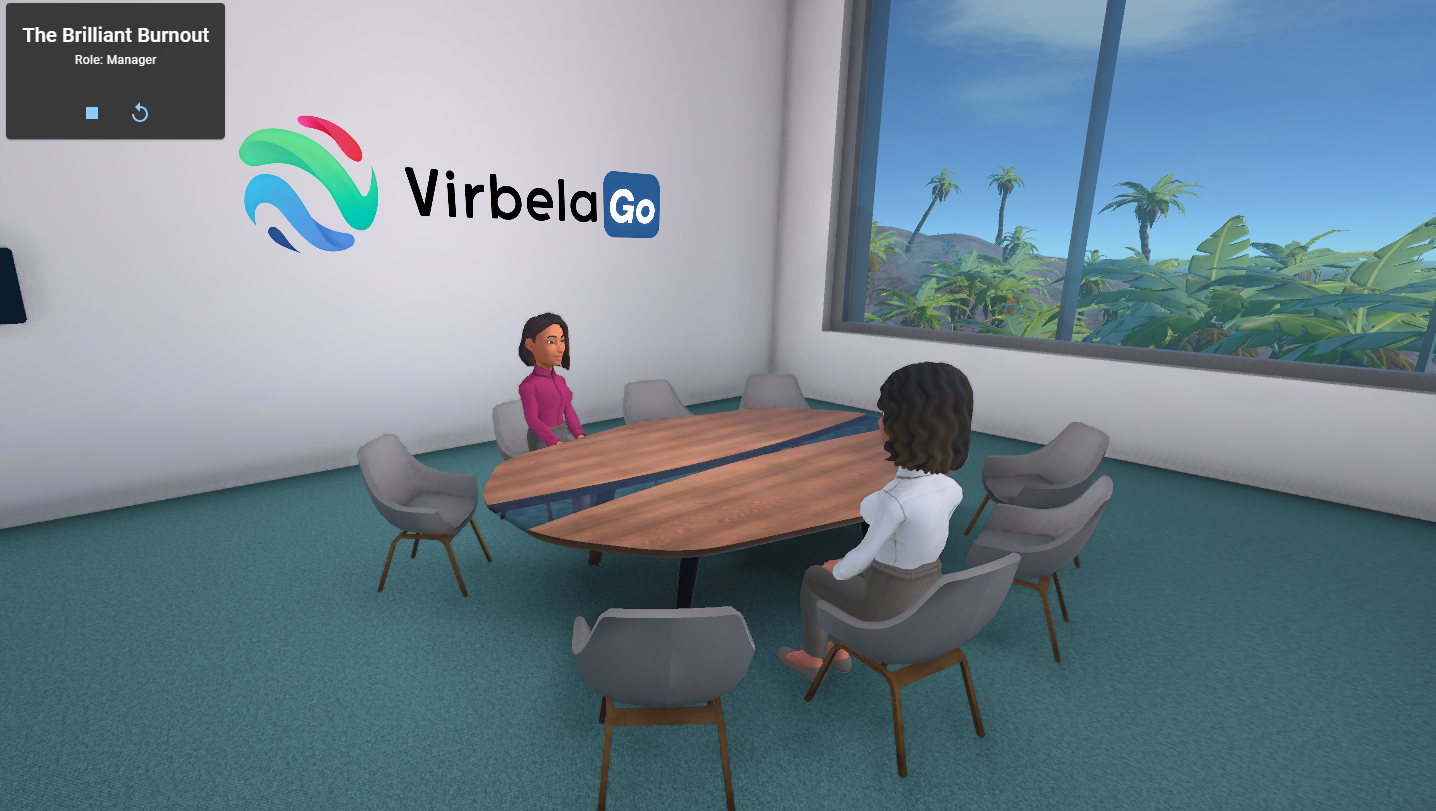
Immersive, AI-powered simulations allow early-career employees to:
- Practice real workplace conversations
- Navigate realistic scenarios
- Make decisions in a risk-free environment
- Receive immediate, personalized feedback
- Try again and improve
Instead of learning about feedback conversations, they practice having them.
Instead of reading about conflict resolution, they navigate conflict.
Instead of memorizing policies, they apply judgment.
The result isn’t just knowledge. It’s confidence. And confidence drives retention.
When employees feel capable, they stay longer. They engage more. They grow faster.
Development Is the Retention Strategy
Companies spend billions trying to solve turnover through:
- Recruiting upgrades
- Employer branding
- Engagement surveys
- Perks and benefits
But the #1 driver of voluntary turnover remains consistent: the employee’s experience with their manager and their sense of growth.
Turnover is not primarily a recruiting problem. It’s a capability problem.
If nearly half of attrition is preventable, the lever isn’t hiring better people.
It’s developing them better.
The $22,000 Decision
Every time a Gen Z employee walks out in year one, there are two interpretations:
- “This generation just doesn’t stick.”
- “We didn’t build the right development environment.”
One explanation is expensive and recurring.
The other is solvable.
The organizations that win the next decade won’t just attract early-career talent. They’ll build systems that help them practice, grow, and succeed quickly.
Because when learning actually works, retention follows.
It’s Time to Reframe Learning
Learning isn’t an HR line item. It’s retention infrastructure. If your first-year attrition rate is climbing, the question isn’t: “How do we recruit better?”
It’s: “How do we help people feel capable faster?”
The companies that answer that well won’t keep paying the $22,000 mistake. They’ll invest once, and stop relearning the lesson every year.
See how practice-based learning can reduce early attrition, accelerate confidence, and turn onboarding into a retention strategy.
👉 Schedule a conversation with our team to explore what this could look like inside your organization.
.PNG)