Remote and distributed work is no longer new, but that doesn’t mean it’s fully optimized.
For many distributed tech companies, the past few years have been defined by rapid adoption, quick fixes, and tools layered on top of tools. Some of those decisions worked. Others quietly created friction, burnout, and misalignment that only becomes visible over time.
The start of a new year is a rare opportunity to step back and ask a better question, not “How do we go back?” but “How do we work better now?”
This remote work reset focuses on three simple actions: stop what’s no longer working, start what actually drives performance, and scale what enables smarter collaboration across distance.
What to Stop: Habits That No Longer Serve Distributed Teams
1. Stop Mistaking Activity for Alignment
More meetings don’t equal better communication. Many distributed teams are overloaded with syncs that share information but don’t create clarity or decisions. When every update requires a call, focus time disappears, and so does momentum.
Reset move: Audit recurring meetings and eliminate those that don’t result in decisions, learning, or progress.
2. Stop Designing for the Office That No Longer Exists
Processes built around physical proximity—hallway conversations, visual cues, informal check-ins—don’t translate well to distributed environments. When teams rely on these assumptions, remote employees are left out by default.
Reset move: Design workflows as if everyone is remote, even if some employees share a location.
3. Stop Treating Culture as a Side Effect
Culture doesn’t magically survive distance. When connection is left to chance, engagement drops, trust erodes, and collaboration becomes transactional.
Reset move: Acknowledge that culture in distributed teams must be intentionally designed, not passively maintained.
What to Start: Practices That Drive Performance and Engagement
1. Start Prioritizing Clarity Over Presence
Distributed teams perform best when expectations are explicit—goals, ownership, success metrics, and timelines. Clarity reduces the need for constant check-ins and builds autonomy.
What this looks like:
- Clear written goals
- Shared understanding of priorities
- Fewer “just checking in” messages
2. Start Creating Space for Real Connection
Connection doesn’t require forced fun, but it does require space. Teams need environments where informal conversations, shared experiences, and spontaneous collaboration can happen naturally.
What this looks like:
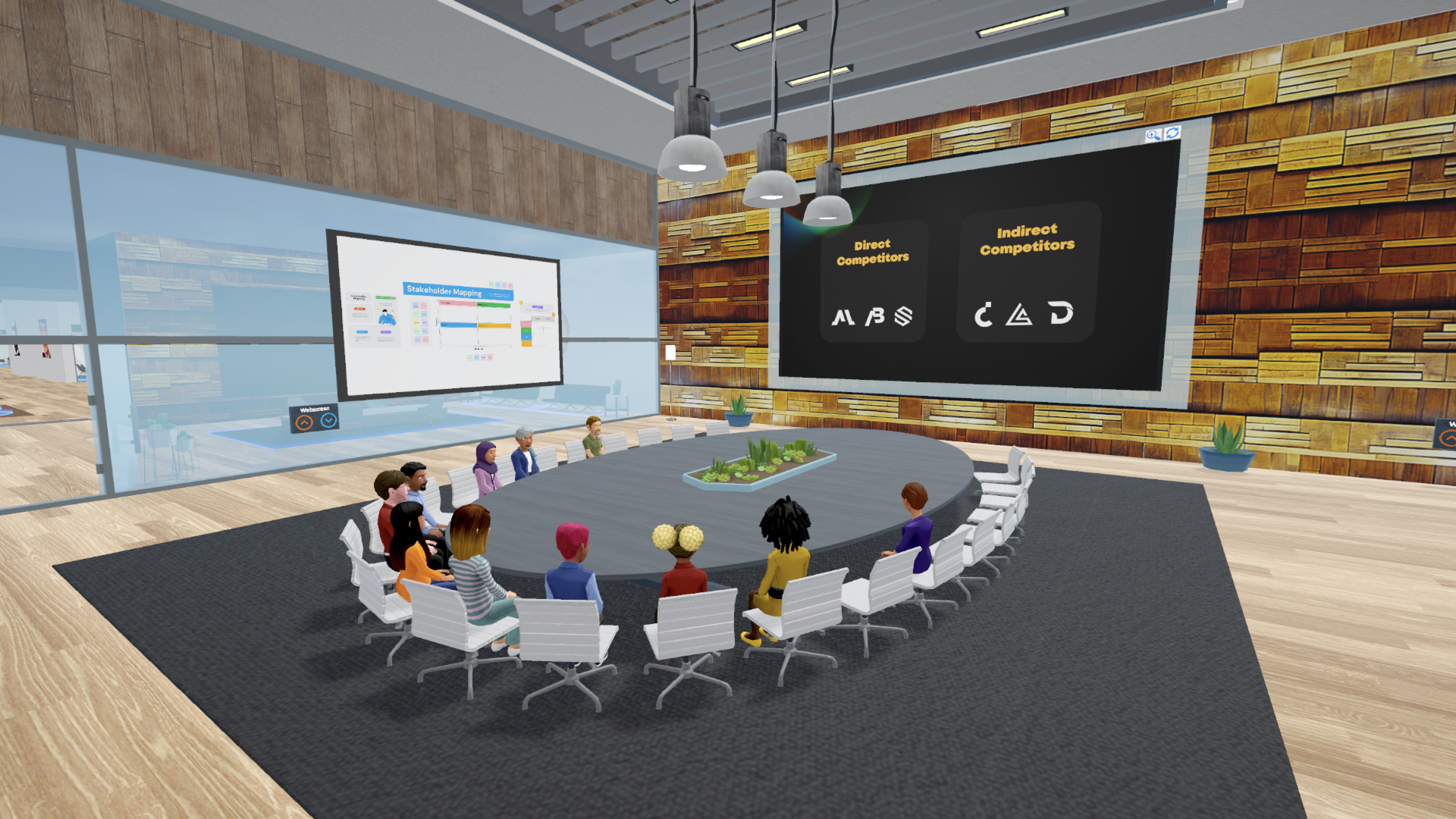
- Virtual environments designed for interaction, not just meetings
- Team rituals that encourage presence without pressure
- Opportunities to collaborate visually and spatially, not just verbally
3. Start Treating Development as Ongoing, Not Occasional
Distributed leaders face complex challenges—difficult conversations, decision-making under pressure, and managing across time zones. One-off workshops don’t build these skills.
What this looks like:
- Practice-based learning
- Realistic simulations
- Continuous feedback instead of annual training events
What to Scale: The Systems That Make Distributed Work Sustainable
1. Scale Environments, Not Just Tools
Chat, video, and project management tools are essential, but they don’t replace the sense of “working together.” Scalable collaboration requires shared spaces where teams can gather, move, and interact as a group.
Result: Stronger team cohesion without constant meetings.
2. Scale Learning Through Experience
As teams grow, traditional training becomes harder to coordinate and less effective. Scalable learning requires experiences that can be repeated, adapted, and delivered globally without sacrificing quality.
Result: Consistent leadership development across regions and roles.
3. Scale Inclusion by Removing Friction
Every additional download, permission request, or technical hurdle reduces participation—especially for global teams. The easier it is to join and engage, the more inclusive collaboration becomes.
Result: Higher adoption, broader participation, and fewer barriers to contribution.
Reset with Intention
The most successful distributed tech companies aren’t trying to recreate the office, or abandon structure entirely. They’re building new models of work designed specifically for distance, scale, and flexibility.
This year’s remote work reset isn’t about doing more. It’s about doing what matters, on purpose.
By stopping outdated habits, starting practices that truly support people, and scaling systems built for modern collaboration, distributed teams can move into the year ahead with clarity, connection, and confidence.